Card Dice Builds Guide
Stack gems and engravings, trade up gear, and experiment with purpose.
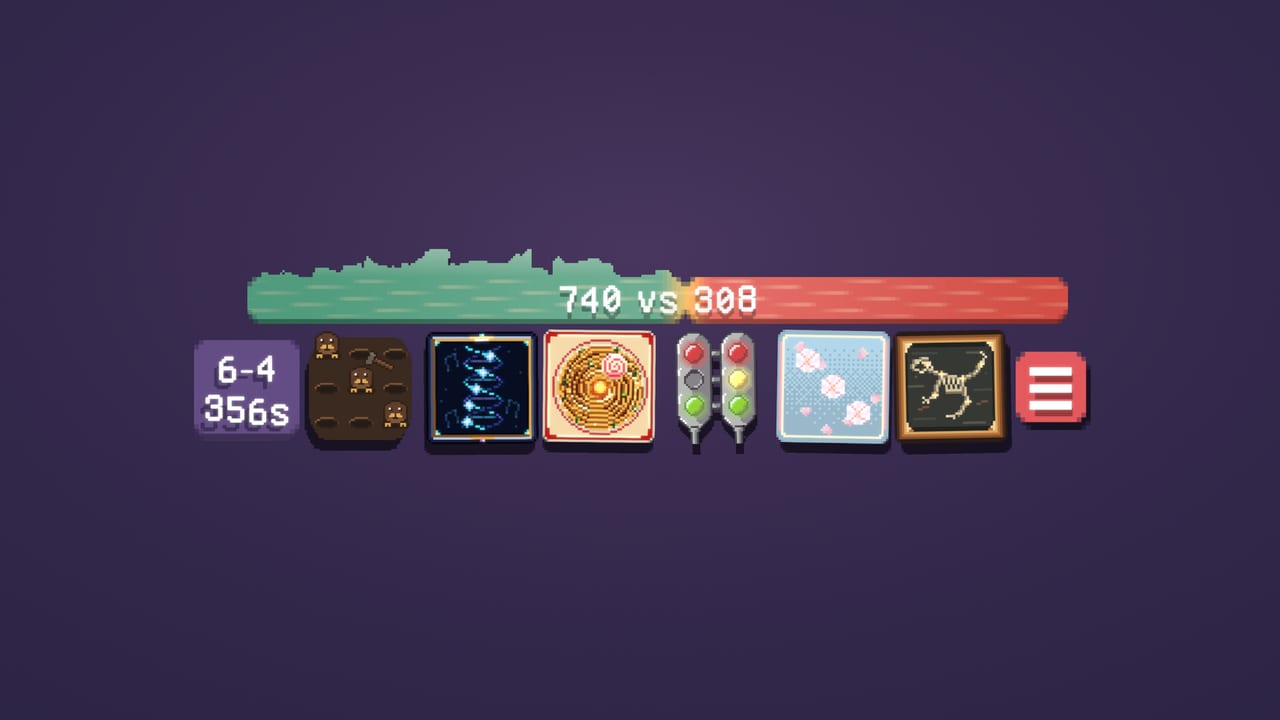
Builds are how Card Dice turns auto-rolling into consistent wins. Gems and engravings create different effect stacks, equipment trade-up feeds those stacks, and timed matches reveal whether your plan actually scores. This guide teaches the logic of building—not a list of invented gem names—so you can experiment safely from early tables through dealer challenges.
New to the game? Finish Getting Started and skim How to Play so match structure is clear. For ranked shortlists after you understand stacking, use Best Builds and Gems & Engravings.
What a build is in Card Dice
A build is the combination of:
- Equipment you keep through trade-up cycles
- Gems that add or multiply effects
- Engravings that further shape how those effects behave
- A scoring plan that fits timed matches against table opponents and dealers
Auto-rolls execute the plan. You design the plan. If gems pull in three directions at once, your score graph looks noisy and mid-chapter tables punish you. If gems and engravings reinforce one idea—burst windows, steady ticks, tag synergy, or whatever direction your drops support—you climb cleaner.
We do not invent exact gem IDs or unofficial patch numbers here. Read tooltips in-game, then use this page for process.
How gems and engravings stack
Think in layers:
- Base equipment sets the canvas—sockets, tags, and raw stats you trade up over time.
- Gems plug into that canvas and define primary effects.
- Engravings modify, amplify, or condition those effects.
- Match timing shows whether the stack triggers often enough across the clock.
Stacking rules of thumb:
- Prefer two effects that clearly talk to each other over five unrelated bonuses.
- When an engraving mentions a condition, make sure your gems help meet that condition during a normal match—not only in perfect RNG fairy tales.
- After each major trade-up, re-check whether sockets still support your gem plan.
- If a new gem is stronger alone but breaks synergy, test it on a farm table before you take it into a dealer challenge.
Private rooms can share tag counts for higher bonuses. Tag-aware builds gain extra value in co-op, but a solo-viable core should still exist when you play alone.
Equipment trade-up and builds
Trade-up is the progression spine that keeps builds alive. Weak equipment becomes stronger equipment; clinging to every drop freezes your sockets in the past. Integrate trade-up into build work:
- Before trade-up: note which gems and engravings you rely on so you do not accidentally orphan them.
- During trade-up: prioritize results that preserve or improve the sockets your stack needs.
- After trade-up: run two or three known tables to measure score pace before declaring the build “done.”
- Banking pieces: keep a tiny experiment set, not a museum. Excess junk hides the items worth trading.
Steam Community Market lets you buy and sell items, but market purchases should fill a known hole in a stack—not replace learning trade-up. Spend thoughtfully after you can describe why a piece belongs in the build.
Experimentation tips that save rewards
Experimentation is mandatory; waste is optional. Use this loop:
- Pick one hypothesis (“this engraving should raise mid-match score if gem focus stays X”).
- Change one variable—one gem, one engraving, or one equipment slot.
- Test on tables you already clear so losses are cheap.
- Record the feel of the score curve, not just win/loss.
- Keep or revert, then attempt a harder table or a dealer challenge.
Avoid these traps:
- Swapping the entire loadout after one loss
- Chasing every new face as if it were a power upgrade—faces are primarily customization across 200+ options
- Copying a friend’s co-op room bonuses and calling it your build
- Ignoring How to Play fundamentals when a “build problem” is actually a table difficulty gap
When you want external ranking instead of pure theory, cross-check Gems & Engravings and Best Builds. Tier pages change with the meta; stacking logic on this guide stays useful even when ranks shift.
Early, mid, and challenge-ready builds
Early game: Accept simple stacks. One clear gem direction plus whatever engravings reinforce it beats a rainbow inventory. Trade up aggressively so sockets stay modern.
Mid chapters: Specialize. Identify which timed-match moments your stack wins—opening surge, late timer climb, or consistent mid-pace. Cut effects that never show up on the score graph. Revisit dealer prep on Dealer Challenges so you know what “ready” feels like.
Challenge-ready: Stabilize. Stop experimenting the night you plan a dealer push. Run a short warm-up on nearby tables, confirm trade-ups are finished, then attempt. After the fight, resume experiments with the new rewards.
Across all stages remember the campaign size: 315 tables, 3 chapters, 63 dealer challenges. Builds are a long game. You do not need a perfect endgame stack on table ten.
Co-op builds and shared tags
Online co-op and private rooms reward groups that understand tags. Shared tag counts can raise bonuses, so coordinate with friends when your stacks lean on the same tag families. Still keep a solo fallback: matchmaking and schedules change, and your auto-rolls must function without a full room.
Suggested co-op build habits:
- Share which tags you are stacking before you enter the room
- Assign who is experimenting versus who is on a stable clear build
- Avoid four people testing four unfinished ideas on a hard dealer in the same session
Linking builds to the rest of the wiki
- Systems vocabulary: How to Play
- First-hour context: Getting Started
- Challenge timing: Dealer Challenges
- Ranked loadouts: Best Builds
- Ranked parts: Gems & Engravings
- Hub map: Guides Hub
- Meta shifts: Updates when notes land
Build checklist before a hard push
- One primary scoring idea, not five
- Gems and engravings that reinforce that idea
- Recent trade-up completed on key equipment
- Tested on a known table after the last change
- Faces chosen for preference, not mistaken for power
- Tier-list shortlist consulted if you feel stuck
- Dealer attempt planned only after the above
Mindset that keeps builds fun
Card Dice is idle-friendly and free-to-play. Builds should feel like playful engineering, not spreadsheets of panic. Affirm what the game gives you: auto-rolls, timed matches, gems, engravings, trade-ups, market access, and co-op rooms. Refuse rumor lists that invent item names. When official details are sparse, lean on process—stack, test, trade up, climb.
Master the stacking loop, then let tier pages accelerate decisions. Your best build is the one you understand well enough to repair after a failed dealer challenge.
Frequently Asked Questions
Quick answers to the most common Card Dice questions.
How do gems and engravings create a build?
Equipment provides the base and sockets. Gems add primary effects. Engravings modify or amplify those effects. Compatible stacks raise score consistency across timed matches.
When should I trade up equipment?
Trade up when the result clearly beats your equipped pieces and still supports your gem plan. Test on known tables afterward before attempting dealer challenges.
Where can I see ranked builds and gems?
Use Best Builds and Gems & Engravings under the Tier List Hub for ranked shortlists. This Builds Guide explains stacking logic so those ranks make sense.
Should I copy a co-op room bonus as my build?
No. Shared tag bonuses help, but keep a solo-viable core. Room bonuses should amplify a working stack, not hide a broken one.
Do dice faces belong in my build plan?
Faces customize appearance across 200+ options. Plan power around equipment, gems, and engravings first; equip faces after the stack is stable.