Card Dice Tier Lists
Provisional launch rankings while the idle casino meta is still forming.
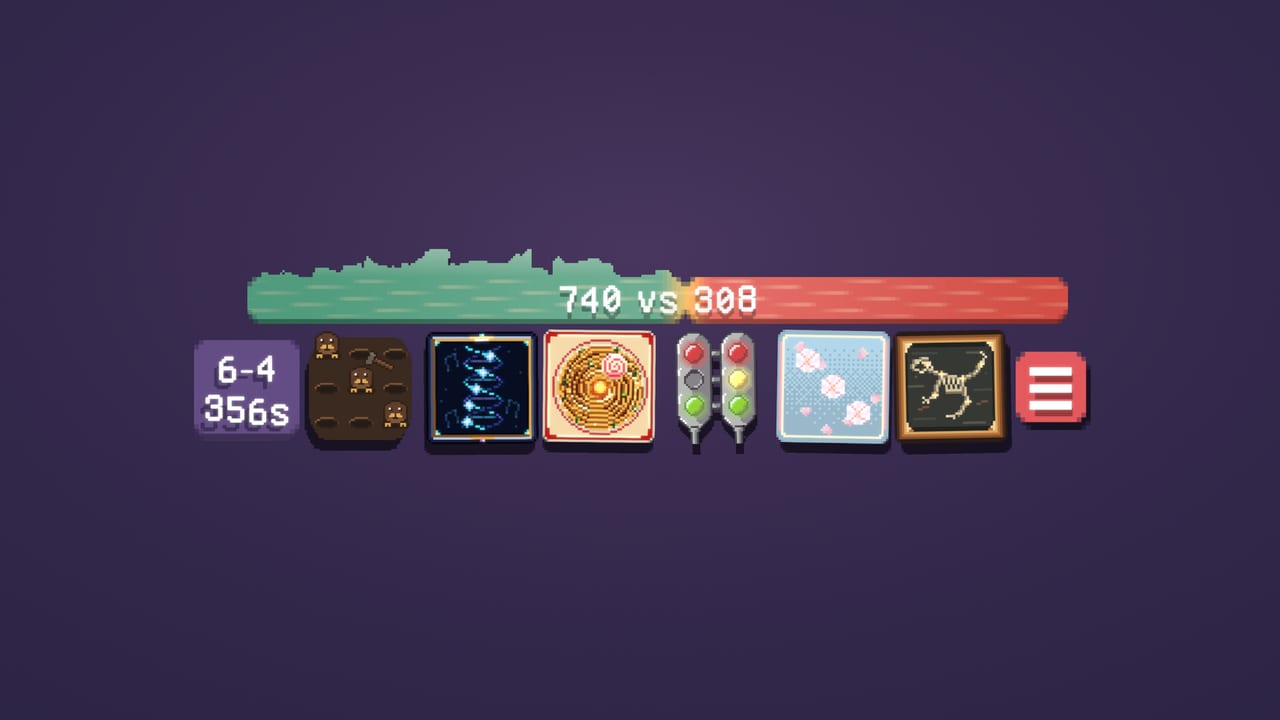
Card Dice is a free-to-play idle casino dice game from LFY Games with auto rolls, timed matches, gem and engraving builds, equipment trade-up, and a long table climb: 315 tables across three chapters, 63 dealer challenges, and 200+ dice faces. That depth means a “final” tier list on day one would be dishonest. This Tier List Hub is a framework for ranking builds and gem–engraving packages early after launch while the meta is still forming—not a claim that any single loadout is permanently S-tier forever.
Use these pages to decide what to test first, what to keep flexible, and what to avoid over-investing in before trade-up paths and dealer patterns are fully mapped by the community. Every ranking here should be read as provisional launch guidance tied to official systems (stacking gems with engravings, climbing tables efficiently, preparing for dealers), not as invented named “OP builds” with fake item titles.
What this hub covers
| Page | Focus |
|---|---|
| Best Builds | Early-launch build archetypes: gem + engraving stacking, table climbing, dealer prep |
| Gems & Engravings | How to evaluate gems versus engravings for synergy and provisional tiers |
Start with archetypes if you want a playstyle lens. Start with gems and engravings if you are staring at inventory and need evaluation rules before you commit trade-up materials.
How we rank during early launch
Because Card Dice rewards idle auto rolls and timed match play, “power” is not only peak damage on a highlight clip. Early rankings weigh several axes at once:
- Table climbing speed — how reliably a setup clears the next tables in the 315-table route without constant rebuilds.
- Dealer challenge readiness — whether the same package can pivot into the 63 dealer fights without throwing away your gem plan.
- Gem–engraving synergy — whether pieces multiply each other or merely sit as disconnected bonuses.
- Trade-up efficiency — how painful it is to correct a bad early investment once equipment trade-up opens better lines.
- Co-op and room flexibility — whether a build still works when you join private rooms or share tag-count bonuses with friends.
S-tier early after launch should mean “broadly efficient across climbing and dealers with clear synergy,” not “someone won one match with it on stream.” Situational A/B picks can still be correct for a chapter, a dealer pattern, or a market price spike.
Why the meta will move quickly
Expect reshuffles when players finish mapping:
- Which dice faces among the 200+ pool actually define chapter breakpoints.
- Which gem and engraving combinations scale into later chapters versus early tables only.
- How Steam Market prices change the cost of correcting a bad trade-up.
- How private-room tag bonuses interact with solo-optimized packages.
We will revise child pages as those patterns stabilize. Until then, treat any rigid spreadsheet you see elsewhere as entertainment unless it explains criteria. This hub prefers transparent axes over fake precision.
How to use the child tier pages
Best Builds groups provisional archetypes around official systems: stacking gems with engravings, prioritizing table climb routes, and preparing for dealers. It deliberately avoids inventing celebrity build names. Use it to pick a direction, then validate in your own timed matches.
Gems & Engravings teaches evaluation: when a gem is carrying a package, when an engraving is the real multiplier, and how to think in provisional tiers without memorizing unverified item myths. Pair both pages—builds without gem logic become fashion lists; gems without build context become hoarding guides.
For systems explainers and onboarding, jump back to the Guides Hub and Getting Started. For multiplayer context that changes how valuable shared bonuses are, read the Multiplayer Hub.
Practical early-launch advice
- Prefer flexible packages that climb tables and still pivot into dealer challenges.
- Do not burn trade-up resources chasing a viral screenshot until you understand gem–engraving synergy.
- Re-check this hub after major patches; idle games often retune auto-roll pacing and challenge timers.
- Use Steam Market as a pricing signal, not as proof that an item is “meta.”
- Keep a notes file of what failed on your account—personal dealer walls matter more than a stranger’s S-tier label.
What we will not do here
We will not fabricate gem names, engraving titles, or guaranteed “broken” loadouts. We will not pretend launch week has a finished ladder. We will not rank based on pay-only screenshots with no method. If a claim cannot be tied to Card Dice’s real systems—auto rolls, timed matches, gems, engravings, trade-up, tables, dealers, market, or rooms—it does not belong in these tiers.
Bookmark the hub, read Best Builds and Gems & Engravings, then test in-client. The strongest early advantage is a clear evaluation framework while everyone else is still guessing.
Frequently Asked Questions
Quick answers to the most common Card Dice questions.
Is the Card Dice tier list final at launch?
No. Launch rankings are provisional while players map 315 tables, dealer challenges, and gem–engraving synergies. Expect movement after patches and chapter clears.
What should I open first on this hub?
Use Best Builds for archetype direction and Gems & Engravings for inventory evaluation. Read both before heavy trade-up spending.
How do you decide early S-tier versus situational picks?
We weigh table climb speed, dealer readiness, gem–engraving synergy, trade-up flexibility, and co-op or private-room usefulness—not single highlight clips.
Do you invent named OP builds or gem names?
No. Rankings stay tied to official systems and provisional archetypes. Fake celebrity loadout names and unverified item myths are out of scope.
Where else should I read while the meta forms?
Use the Guides Hub and Getting Started for systems, and the Multiplayer Hub for co-op, private rooms, and Steam Market context that can change build value.