Card Dice Co-op & Market Hub
Online co-op, private rooms, tag-count bonuses, and Steam Market habits.
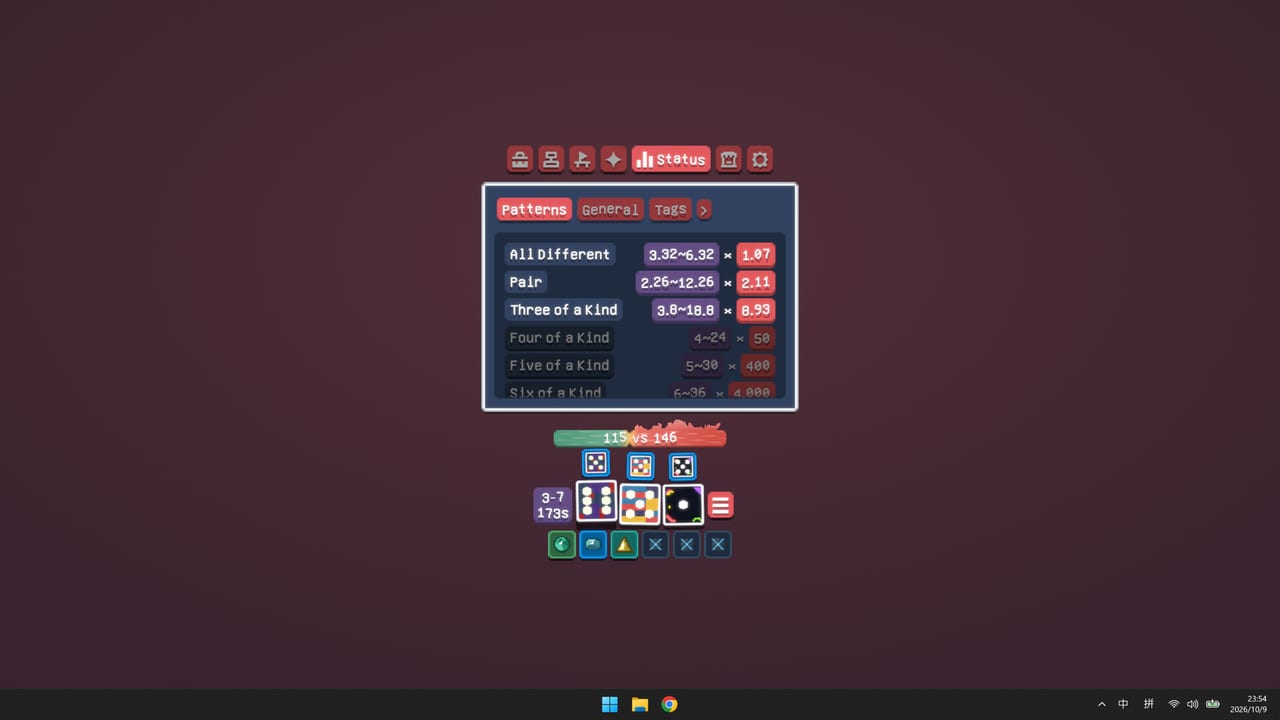
Card Dice is not only a solo idle casino loop. LFY Games shipped online co-op, private rooms with shared tag-count bonuses, and Steam Community Market trading alongside auto rolls, timed matches, gems, engravings, equipment trade-up, 315 tables, three chapters, 63 dealer challenges, and 200+ dice faces. This Multiplayer Hub explains how those social and market systems change progression decisions—without pretending every session must be a full party.
Use this hub to decide when co-op helps, when solo is cleaner, how private rooms amplify builds, and how to think about the Steam Market like a tool instead of a casino-on-top-of-a-casino. Deep room tactics live on Private Rooms. Build and gem context lives on the Tier List Hub, Best Builds, and Gems & Engravings. Systems onboarding stays under the Guides Hub.
What multiplayer changes in Card Dice
| System | Why it matters |
|---|---|
| Online co-op | Share sessions, learn pacing together, and compare clear quality on the same table blocks |
| Private rooms | Coordinate friends, control the social context, and unlock shared tag-count bonuses |
| Tag-count bonuses | Room-wide incentives that can raise the value of otherwise situational build pieces |
| Steam Market | Move equipment and craft-relevant items with real price discovery—and real scam risk |
Multiplayer does not replace gem–engraving stacking or table climbing. It modulates them. A package that looks average solo can look excellent in a tagged room; a market purchase that looks cheap can be a trap if it breaks your stack.
Online co-op mindset
Co-op is strongest when you use it for information and momentum:
- Clear a short table block together and compare where auto rolls stall.
- Probe a dealer challenge with one player watching timings while another tracks gem performance.
- Share notes on which faces from the 200+ pool actually mattered in that chapter segment.
- Avoid turning every idle stretch into a voice-chat obligation; Card Dice still rewards AFK-friendly play.
Co-op is weaker when it becomes social pressure to overspend on the Steam Market, chase unverified “party only” myths, or rebuild after every friend’s screenshot. Keep a solo baseline so you know what your account can do without bonuses.
Private rooms and tag-count bonuses
Private rooms are the structured multiplayer layer: invite friends, keep the session intentional, and benefit when shared tag counts grant bonuses. That matters for build planning because some pieces may be B-role solo and A-role in a tagged room. Do not rebuild your entire identity around tags until you have a reliable group schedule.
Read the full etiquette, join flow, and solo-versus-co-op decision tree on Private Rooms. That child page is the practical guide; this hub is the map.
Steam Market trading mindset
The Steam Market is part of Card Dice’s economy. Treat it like pricing infrastructure:
- Buy for synergy, not hype — map a listing to your archetype and gem plan before you click purchase.
- Respect trade-up paths — market fills gaps; it should not replace learning what trade-up is trying to teach.
- Assume volatility at launch — early prices often track novelty and streamer attention more than long-term strength.
- Separate collection from power — cosmetic or curiosity buys are fine if they are budgeted separately from climb fuel.
- Protect the account — never bypass Steam Guard, never “middleman” trades for strangers, never share codes or confirmations for fake party invites.
Market skill is knowing when not to buy. If you cannot explain how an item improves stacking, climbing, or dealer prep, leave it listed.
When solo is the better progression choice
Solo still wins when you need clean tests, when friends are unavailable, when you are learning a new engraving identity, or when room bonuses would hide a weak core. Many dealer walls are personal skill and kit problems; bringing three friends does not automatically fix a diluted gem stack. Alternate: solo for measurement, co-op for acceleration and shared learning.
Safety and etiquette (short version)
- No account sharing to “boost” rooms.
- No pressure trades framed as friendship tests.
- No fake admin DMs offering market coupons or room boosts.
- Clear communication about goals: climb block, dealer attempt, or market craft session.
- Leave rooms cleanly; do not grief timed matches because you got bored.
More detail sits on Private Rooms.
Suggested path through this section
- Skim this hub for co-op vs market framing.
- Read Private Rooms before hosting or joining friends.
- Align your package with Best Builds and Gems & Engravings.
- Return to the Guides Hub when you need non-multiplayer systems help.
- Recheck market habits after major patches when prices and drop attention shift.
Card Dice multiplayer rewards players who treat rooms and markets as multipliers on a solid solo core—not as substitutes for one. Build the core, then invite the bonuses.
Frequently Asked Questions
Quick answers to the most common Card Dice questions.
Does Card Dice support online co-op?
Yes. Card Dice includes online co-op plus private rooms where shared tag counts can grant bonuses. Solo play remains fully viable for testing and idle progression.
What are private room tag-count bonuses?
In private rooms, shared tag counts can provide bonuses that change how valuable some build pieces feel compared with pure solo play. See the Private Rooms guide for etiquette and when to rely on them.
How should I use the Steam Market in Card Dice?
Buy for gem–engraving synergy and clear progression needs, expect launch volatility, and never bypass Steam Guard or middleman trades. Market hype is not the same as build strength.
Should I always play in a party to progress faster?
No. Use co-op for shared learning and tag bonuses when friends are available, but keep a solo baseline so weak stacks are not hidden by room buffs.
Where do I learn private room setup and etiquette?
Open the Private Rooms guide linked from this hub. It covers joining friends, shared tag bonuses, etiquette, and when solo is smarter than co-op.