Card Dice Gems & Engravings Tier Thinking
How to judge synergy at launch without inventing fake gem names.
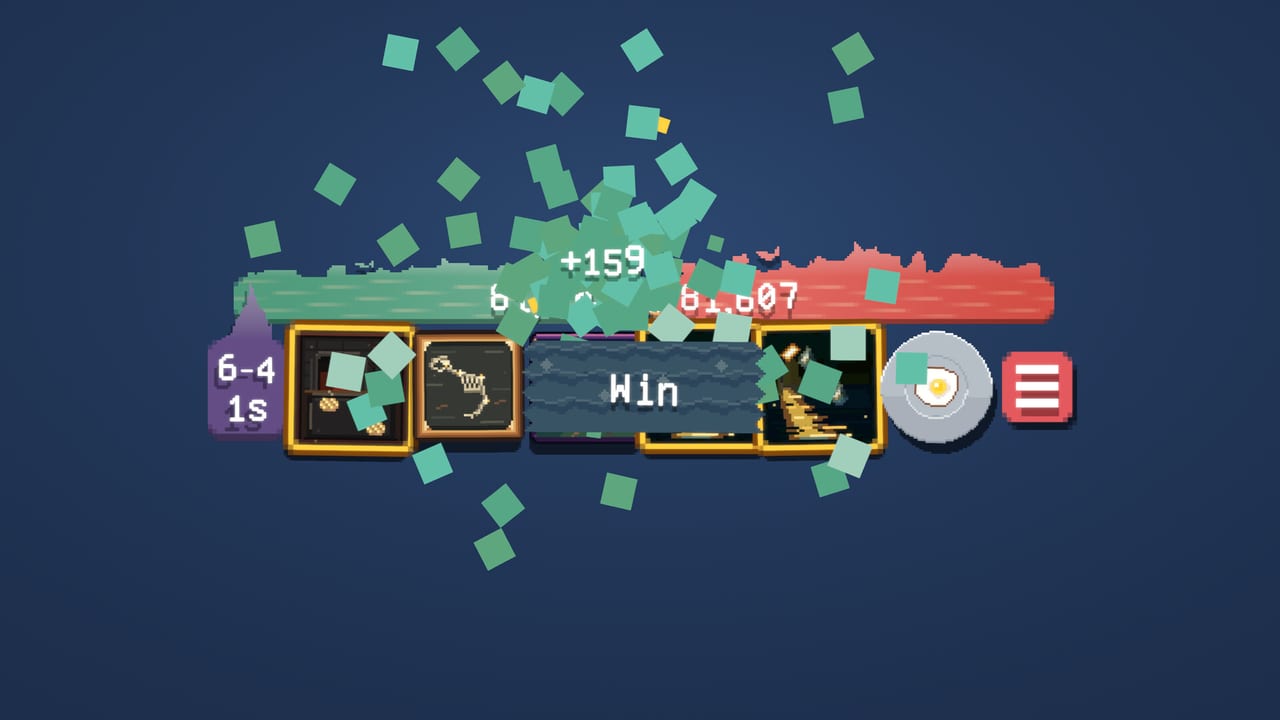
Gems and engravings are the build craft layer of Card Dice, LFY Games’ free-to-play idle casino dice game on Steam. Your long-term power is not only “more dice faces” from the 200+ pool—it is whether gems and engravings stack into a coherent package that climbs tables, survives timed matches, and can pivot into dealer challenges. This page teaches how to evaluate gems versus engravings for synergy, with provisional tier thinking for early launch. It does not invent gem names, engraving titles, or mythical drop tables.
Use this together with Best Builds so inventory decisions map to archetypes. For hub-level ranking philosophy, see the Tier List Hub. For practical setup steps, open the Builds Guide. For onboarding and systems context, use the Guides Hub and Getting Started.
What gems and engravings are for
In Card Dice’s loop—auto rolls, timed matches, equipment trade-up, Steam Market, private rooms, and a climb across 315 tables / 3 chapters / 63 dealer challenges—gems and engravings are how you specialize a package:
- Gems generally act as modular power plugs: slots you can rethink as drops and market prices evolve.
- Engravings generally act as identity multipliers: choices that define what your package is trying to be good at.
Exact client wording can vary by patch; the evaluation method below still holds. If a piece does not help stacking, climbing, or dealer prep, it is a collection item, not a tier centerpiece.
Evaluation framework (use this before any “tier” label)
Ask every gem or engraving candidate these questions:
- Synergy — Does it multiply an effect you already stacked, or does it add an unrelated bonus you never leverage?
- Table climb value — Does it shorten or stabilize clears across multiple tables, not just one lucky match?
- Timed match value — Does it help when you are actively playing windows, or only when fully AFK?
- Dealer relevance — Will it still matter when a dealer challenge changes the pressure pattern?
- Opportunity cost — What better stack piece are you delaying by socketing or engraving this now?
- Trade-up and market cost — If you are wrong, how expensive is the correction on the Steam Market or via trade-up?
- Room context — Does it assume private-room tag bonuses you do not actually have? Check Private Rooms before you overfit.
Write short answers. If you cannot explain synergy in one sentence, you are gambling, not building.
Provisional tier thinking (launch)
Because the meta is forming, use role tiers, not fake item leaderboards.
S-role: Core stack pieces
Pieces that clearly reinforce your primary plan—whatever archetype you chose on Best Builds. A core stack gem or engraving earns S-role when removing it visibly worsens climb pace or dealer stability. Keep these through trade-ups when possible.
A-role: Flexible amplifiers
Pieces that are strong when they support the stack and still decent if you pivot toward dealers or a new chapter. High A-role value is ideal in launch week because patches and discoveries will force retunes.
B-role: Situational specialists
Pieces that shine on a specific dealer wall, chapter sprint, or room-tag scenario, but look average in general climbing. Keep them as swap-ins, not as your permanent identity, unless you are intentionally running a specialist archetype.
C-role: Collection / bait
Pieces that look exciting in isolation, raise market curiosity, or complete a visual set, but do not improve your measured clears. Do not let C-role inventory dictate trade-up order.
Re-tier after you gather personal data. Your S-role list should be short.
Gems versus engravings: decision rules
Prefer investing in a gem first when:
- You are still discovering which archetype fits your schedule (idle-heavy vs timed-match-heavy).
- You need modular swaps while learning the 200+ face pool.
- Market prices are volatile and you want reversible decisions.
Prefer committing an engraving when:
- Your archetype is stable across a block of tables.
- You have evidence the multiplier supports both climb and at least one dealer pivot.
- You understand the trade-up cost of changing identity later.
Do both carefully when:
- A gem and engraving clearly describe the same plan (true stacking).
- You have tested with and without the combo in timed matches.
- You are not relying on unverified screenshots with unreadable UI.
Never socket “one of everything.” Dilution is the most common launch failure in stacking games.
Measuring synergy in practice
Use simple, repeatable tests:
- Run a fixed set of tables with your baseline package; note clear time or failure points.
- Change one gem or engraving.
- Repeat the same table block and one dealer probe.
- Keep the change only if climb stability or dealer success improved without wrecking the other.
- Log results so streamer hype cannot overwrite your evidence.
If auto rolls improve but every dealer attempt collapses, you optimized the wrong axis for your current gate. If dealers become easy but table climbing stalls, you built a wall kit—not a campaign kit.
Interaction with trade-up and the Steam Market
Equipment trade-up and the Steam Market make bad early gem/engraving choices expensive. Launch prices often reflect novelty, not strength. Before you buy because something is “trending,” map it to a role tier and an archetype. A cheap flexible amplifier can beat an expensive C-role trophy.
When selling, remember that demand spikes are not endorsements of your build. Cash out clutter that fails the synergy questions; keep core stack pieces even if the market is loud.
Co-op and tag-count caveats
Private rooms can share tag counts for bonuses, which may temporarily elevate pieces that look mediocre solo. That does not automatically promote them to universal S-role. Rank a solo baseline and a room baseline separately. Details live on the Multiplayer Hub and Private Rooms.
Mistakes to avoid
- Inventing or trusting fake gem names from SEO farms.
- Ranking pieces by rarity cosmetics instead of measured clears.
- Engraving a new identity every session.
- Ignoring dealer prep until a chapter hard-stops you.
- Copying a full socket layout without knowing which slot was doing the work.
- Spending trade-up fuel to “complete a set” that never stacked.
Suggested reading order
- Skim this evaluation framework.
- Pick an archetype on Best Builds.
- Apply the setup flow in the Builds Guide.
- Assign S/A/B/C roles to your current gems and engravings.
- Test one change at a time on tables and a dealer challenge.
- Return to the Tier List Hub after patches for revised provisional guidance.
- Use the Guides Hub when you need systems context beyond ranking.
Gems and engravings reward disciplined stacking. At launch, the players who win are not the ones with the longest inventory screenshots—they are the ones who can explain why each piece earns its slot.
Frequently Asked Questions
Quick answers to the most common Card Dice questions.
Should I upgrade gems or engravings first in Card Dice?
Early on, favor flexible gem decisions while you learn your archetype, then commit engravings once climb and dealer tests show a stable plan. Always prioritize true synergy over isolated power.
How do I tier gems without official endgame data?
Use role tiers—core stack, flexible amplifier, situational specialist, or collection bait—based on measured table climbs and dealer probes, not rarity hype.
Why won’t this page list specific gem names?
We do not invent item names or unverified drop claims. Evaluation rules stay accurate across patches; fake name lists do not.
How do gems and engravings relate to best builds?
Archetypes on Best Builds tell you what to optimize for; this page tells you how to judge whether a piece actually supports that plan.
Can private room bonuses change gem value?
Yes. Shared tag-count bonuses may raise situational pieces in co-op. Rank solo and room contexts separately before you rebuild your whole stack.