Card Dice Private Rooms Guide
Friend rooms, shared tag-count bonuses, etiquette, and solo vs co-op choices.
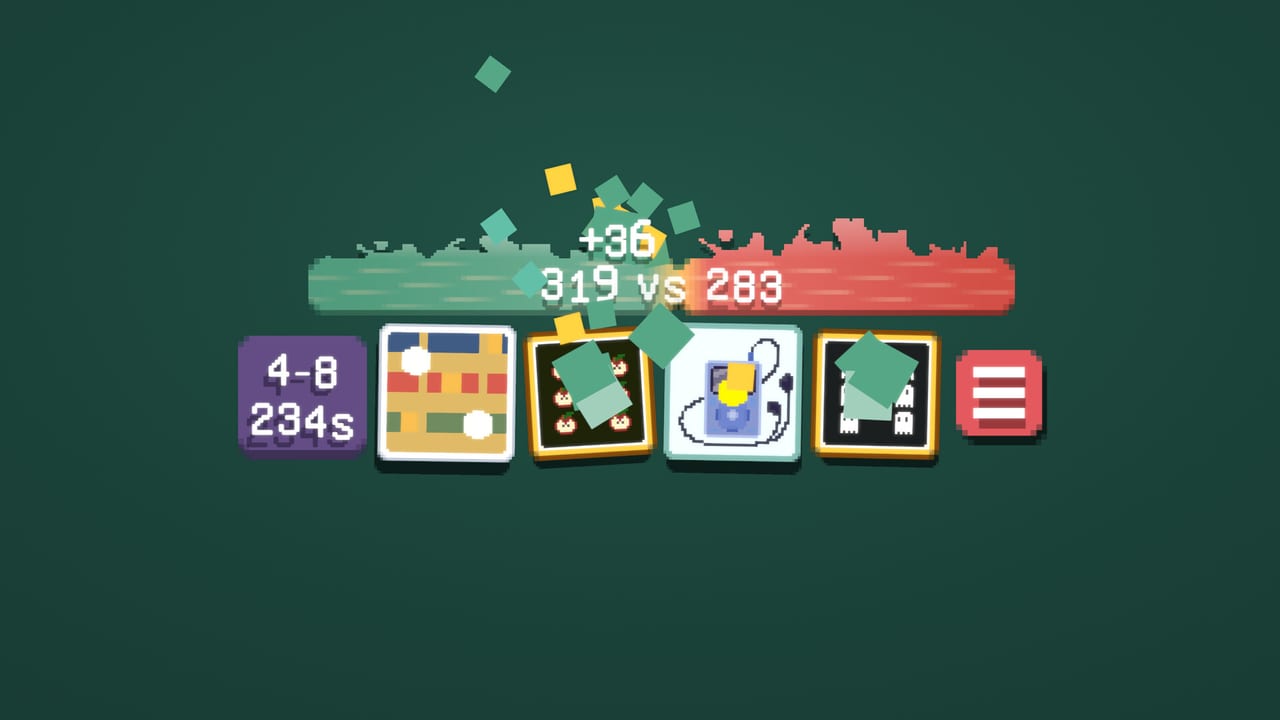
Private rooms are Card Dice’s friend-focused multiplayer space: you gather with people you trust, keep the session intentional, and can benefit when shared tag counts grant bonuses. Combined with online co-op, Steam Market trading, and the core idle casino loop—auto rolls, timed matches, gems, engravings, equipment trade-up, 315 tables, three chapters, 63 dealer challenges, and 200+ dice faces—rooms become a progression multiplier rather than a replacement for good builds.
This guide covers joining friend private rooms, understanding shared tag bonuses, practicing etiquette, and deciding when solo play helps more than co-op. For the wider multiplayer map, return to the Multiplayer Hub. For package planning that reacts to room bonuses, see Best Builds and Gems & Engravings.
Why private rooms exist
Public matchmaking energy is not always what you want in an idle-forward game. Private rooms let you:
- Play with friends on a shared schedule without random pressure.
- Coordinate goals: climb a table block, attempt a dealer challenge, or compare gem swaps.
- Benefit from shared tag-count bonuses that can change clear quality.
- Reduce scam and grief surface area compared with completely open social spaces.
Rooms do not auto-solve weak synergy. If your gems and engravings do not stack, tags will not invent a build for you.
Joining a friend private room
Exact menu labels can shift with patches, but the practical join flow stays stable:
- Confirm the goal in chat first — climb, dealer probe, market craft break, or casual idle together.
- Get the invite or room identity from the friend hosting — do not accept room links from strangers promising “free tag carries.”
- Enter with a ready package — socket the stack you actually intend to test; rooms are bad places to invent a brand-new identity mid-timer.
- Sync expectations on timing — who is actively playing timed matches versus who is mostly auto-rolling.
- Establish a stop condition — number of tables, one dealer attempt, or a time box—so the room does not dissolve into aimless hanging out when someone wanted progression.
If you cannot join because of platform, party, or invite issues, fall back to solo measurement rather than waiting forever. Card Dice progression continues without a room.
Shared tag-count bonuses explained
Private rooms can share tag counts for bonuses. Think of tags as a room-wide amplifier layer:
- They can raise the effective value of pieces that looked situational in pure solo play.
- They can make coordinated archetypes feel stronger than the same kits in isolation.
- They can hide problems if you never re-test the same content solo.
Practical rules for tags
- Log a solo baseline before you call a tagged clear “the new meta.”
- Do not overfit your entire gem plan to tags you only see twice a week.
- Ask the host which tags the group is actually stacking instead of guessing from vibes.
- Treat tag bonuses as temporary context in your notes next to table number and dealer result.
When evaluating inventory after a great room night, re-read Gems & Engravings and mark whether a piece is S-role only with tags or still core without them.
Etiquette that keeps rooms useful
Good rooms feel boring in the best way: clear goals, clean exits, no drama.
Do
- State your goal and time available up front.
- Bring a coherent stack, not a junk drawer of disconnected faces.
- Call out when you need to AFK so timed-match plans can adjust.
- Share concise notes after a dealer attempt—what failed, what gem seemed irrelevant.
- Leave politely when your stop condition hits.
Don’t
- Pressure friends into Steam Market buys as an entry fee.
- Demand account sharing, remote login, or Steam Guard codes for “boosts.”
- Grief timers because you got distracted.
- Dump unverified codes, trainers, or phishing links into room chat—see the Codes Hub for why fake freebie spam is a problem.
- Rebuild mid-room every time someone else swaps one engraving.
Hosts should kick scammers quickly. Members should leave hosts who turn rooms into sales pitches.
When co-op in private rooms helps progression
Room co-op is high value when:
- You are learning a new chapter segment and want shared observations across the same tables.
- A dealer challenge needs callouts or moral pressure to stay focused on timed windows.
- Tag bonuses meaningfully improve clear stability for the group’s shared archetypes.
- Friends help you avoid panic trade-ups by comparing market prices and opportunity costs.
- You need accountability to actually attempt content you keep postponing solo.
In those cases, private rooms accelerate both power and knowledge.
When solo is the smarter call
Solo is better when:
- You are running controlled A/B tests on one gem or engraving change.
- Friends are unavailable and waiting would waste a play window.
- You suspect tags are covering a diluted stack and need the truth.
- You are low on attention and only want clean auto-roll time.
- Market decisions require quiet math, not group hype.
- A dealer wall is personal—your timings, your kit—and spectators add noise.
A healthy Card Dice week often alternates: solo for measurement and idle gains, rooms for tagged pushes and shared learning.
Build planning around rooms (without inventing items)
Use archetypes from Best Builds:
- Keep a solo core stack that climbs tables without tags.
- Keep a room flex slot philosophy—one gem or engraving lever you can retune when tags are present—without rewriting the whole package.
- Prefer flexible amplifiers over narrow specialists unless your group runs the same room schedule daily.
- After room sessions, decide deliberately whether a tagged hero piece graduates into true core or stays situational.
Never invent gem names to justify a rebuild. Describe roles: core stack, flex lever, dealer pivot.
Session templates
Climb block (45–90 minutes)
Warm up solo for a few tables, join the room, clear a defined table range, note where auto rolls stalled, end on the stop table.
Dealer probe (30–60 minutes)
Confirm kits, attempt one or two dealer challenges, change only one lever between tries, write results, exit before tilt shopping on the Steam Market.
Idle-together (open ended)
Low communication, high trust, optional tags, no obligation to hover every timed match. Great for friendship; weak for scientific testing.
Pick the template in advance so nobody is surprised.
Safety checklist
- Steam Guard stays on; no shared accounts.
- No off-platform “verification” sites to join a room.
- No middleman item holding for strangers who suddenly appear in friend-of-friend invites.
- Report phishing and leave immediately.
- Keep trade negotiations on Steam’s official tools only.
Where to go next
Return to the Multiplayer Hub for market mindset and co-op framing. Refine packages on Best Builds and Gems & Engravings. Use the Guides Hub and Getting Started when you need non-social systems help. Private rooms reward prepared players: bring a real stack, respect the tags, measure solo, and leave the scams outside.
Frequently Asked Questions
Quick answers to the most common Card Dice questions.
How do I join a friend’s Card Dice private room?
Agree on a session goal, accept their invite or room identity through trusted channels, enter with a ready gem–engraving package, and set a stop condition for tables or dealer attempts.
What do shared tag-count bonuses do?
In private rooms, shared tag counts can grant bonuses that improve clear quality and temporarily raise the value of some build pieces. Always keep a solo baseline so tags do not hide a weak core stack.
When should I play solo instead of using private rooms?
Solo is better for controlled gem tests, quiet market decisions, pure idle sessions, and verifying whether your package still works without tag bonuses.
What etiquette matters most in private rooms?
State goals and time limits, avoid market pressure or account sharing, call AFK clearly, share concise results after dealer tries, and leave cleanly when the stop condition hits.
Can private rooms replace a good build?
No. Tags multiply a coherent stack; they do not fix disconnected gems and engravings. Build a solo-capable core first, then add room flex.