Card Dice Equipment Trade-Up
Convert weak gear into stronger pieces without breaking your gem plan.
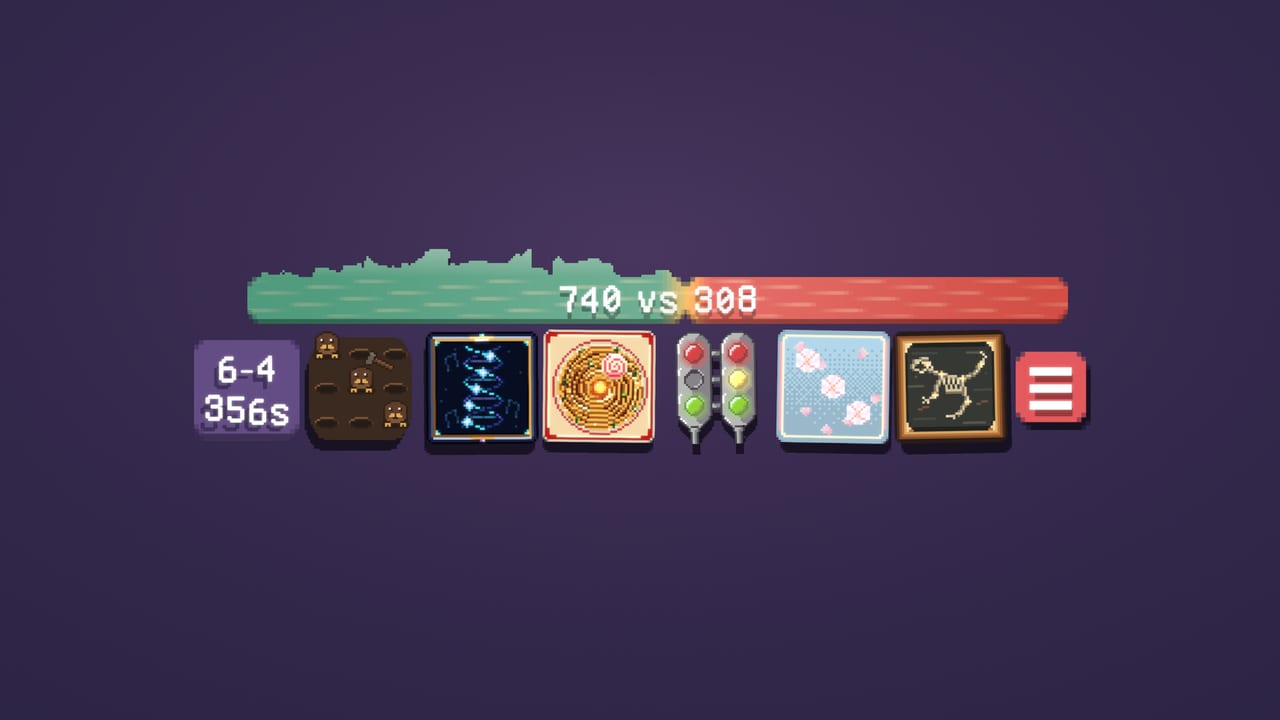
Equipment trade-up is the progression engine that keeps Card Dice builds current. Auto-rolling card dice and timed matches reward you with gear; trade-up turns that clutter into sockets and stats that still matter on later tables. This guide explains what trade-up is, when to use it, how to keep inventory sane, and how it interacts with gems, engravings, chapter pacing, and the Steam Community Market—without inventing item names or drop rates.
If you are still learning match flow, pair this page with Getting Started and How to Play. For stacking logic after trade-ups land, use the Builds Guide, Best Builds, and Gems & Engravings. Campaign structure lives on Tables & Chapters; challenge timing on Dealer Challenges. Browse the full map from the Guides Hub.
What equipment trade-up is
Trade-up converts lower-value equipment into higher-value equipment. You feed pieces you no longer need into the system and receive something better suited to the tables you are clearing now. It is not a side hobby—it is how Card Dice expects you to stay competitive across 315 tables, 3 chapters, and 63 dealer challenges while you collect gems and engravings for builds.
Think of trade-up as a deliberate refresh cycle:
- Earn equipment from matches and progression.
- Identify pieces that no longer support your gem and engraving plan.
- Trade those pieces up into stronger candidates.
- Re-socket or re-check gems and engravings on the new base.
- Validate on known tables before a hard push.
Auto-rolls execute whatever you equip. Trade-up decides whether that equipment still belongs in chapter two or three.
When to trade up
Trade when the expected result clearly beats what you wear and still supports your build direction. Good timing signals:
- Your equipped piece feels outdated on tables you already clear comfortably.
- Inventory is full of near-duplicates that only differ in small ways.
- A gem or engraving plan needs better sockets or tags than your current base provides.
- You are preparing a dealer challenge and want finished gear, not half-tested leftovers.
Hold off when:
- You just changed gems and have not measured the new stack yet.
- You cannot describe why the trade-up result should help your score curve.
- You are mid-experiment and need a stable control loadout.
A practical rule: finish one hypothesis from the Builds Guide, then trade. Mixing five gem swaps and three trade-ups in the same session hides what actually worked.
Inventory hygiene
Clutter slows decisions. Card Dice drops enough gear that a messy bag hides the pieces worth feeding into trade-up. Hygiene habits that scale through all three chapters:
- Sort by role. Separate “equipped,” “trade fuel,” “maybe keep for tags,” and “safe to convert.”
- Keep a tiny experiment set. Two or three alternate pieces is enough; a museum of nostalgia is not.
- Clear after farm sessions. When you finish a block of tables, decide immediately what becomes trade fuel.
- Do not confuse faces with power. Customization across 200+ dice faces is covered on Dice Faces—faces do not replace equipment progression.
Clean inventory makes trade-up faster and reduces accidental conversion of a piece you still needed for a tag test in a private room.
Trade-up, gems, and engravings
Gems and engravings sit on top of equipment. Trade-up changes the canvas those effects live on. Protect the stack:
- Before trade-up: note which gems and engravings you rely on and which sockets or tags they need.
- During trade-up: prefer outcomes that preserve or improve that canvas.
- After trade-up: re-equip, confirm tooltips still match your plan, then run two or three known tables.
If a stronger piece arrives but orphans your engraving conditions, it is not an upgrade yet. Either adjust gems to fit the new base or keep searching for a piece that respects the stack. Cross-check ranked parts on Gems & Engravings when you feel stuck choosing between raw power and synergy.
Private rooms with shared tag bonuses reward coordinated tag counts. Trade-ups that improve shared tags help the room, but keep a solo-viable core—your auto-rolls must still score when you play alone.
Chapter pacing
Card Dice spans 3 chapters and 315 tables. Trade-up cadence should match where you are:
Early chapter play: Trade aggressively. Early gear ages fast; clinging to the first “good” drop freezes sockets. Use the Beginner Checklist to keep first-hour goals tight while you convert junk.
Mid chapters: Specialize. Trade when a piece clearly serves your primary scoring idea. Skip converting every spare drop the moment it appears—bank a little fuel, then trade in batches after you know what the next table block demands. Review Tables & Chapters so you know how far the current gear needs to carry you.
Late tables and dealers: Stabilize before the attempt. Complete key trade-ups, warm up on nearby tables, then take the Dealer Challenges. After the fight, resume converting new rewards into the next cycle.
You do not need endgame equipment on table ten. You need equipment that is modern for the chapter you are in.
Steam Market versus trade-up
The Steam Market lets you buy and sell items on the Steam Community Market. Market access is real and useful; it is not a substitute for learning trade-up.
Use the market to fill a known hole—a socket layout, a tag, or a slot your stack is missing—after you can explain the hole in one sentence. Use trade-up as the default progression path that turns match rewards into stronger bases without spending currency on guesswork.
Healthy split:
- Trade-up: continuous, reward-funded, teaches what “better” feels like on your account.
- Market: targeted, intentional, after you understand your gem and engraving plan.
Buying random shiny pieces because they look strong wastes money and skips the feedback loop that makes builds stick. Selling junk you would have traded anyway can fund a single thoughtful purchase later.
Common mistakes
Avoid these traps:
- Trading every piece the second it drops without a gem plan
- Hoarding an entire chapter of outdated gear “just in case”
- Swapping equipment and gems in the same session, then blaming trade-up for a score dip
- Treating dice faces as power upgrades instead of customization
- Copying a friend’s market purchase list without reading your own sockets
- Entering a dealer challenge mid-trade-up with half-finished gear
- Ignoring timed-match fundamentals from How to Play when the real issue is table difficulty
Fix the process: one change at a time, test on known tables, then climb.
Practical trade-up checklist
- Primary build idea is clear (see Builds Guide)
- Inventory sorted into fuel versus keepers
- Gems and engravings noted before converting key pieces
- Trade-up completed on the slots that matter for the next tables
- Two or three validation matches on content you already clear
- Dealer attempt only after gear and stack are stable
- Market purchase considered only for a named hole, not for boredom
How this page links to the rest of the wiki
- First hour: Getting Started
- Match rules: How to Play
- Stacking: Builds Guide
- Ranked loadouts: Best Builds
- Ranked parts: Gems & Engravings
- Campaign map: Tables & Chapters
- Boss-style fights: Dealer Challenges
- Cosmetics: Dice Faces
- Buying and selling: Steam Market
- Early goals: Beginner Checklist
- All guides: Guides Hub
Card Dice by LFY Games is free-to-play on Steam (app 5203260) for Windows and is released. Trade-up, gems, engravings, tables, dealers, faces, private rooms, and the Steam Community Market are the tools the game gives you. Use trade-up as a habit, not a panic button, and your builds stay ready for the next chapter.
Frequently Asked Questions
Quick answers to the most common Card Dice questions.
What does equipment trade-up do in Card Dice?
Trade-up converts lower-value equipment into stronger pieces so your sockets and stats stay relevant as you advance through tables, chapters, and dealer challenges.
When should I trade up instead of keeping gear?
Trade when the result should beat your equipped piece and still support your gem and engraving plan. Validate on known tables before a dealer push.
How does trade-up interact with gems and engravings?
Equipment is the base those effects sit on. Note your stack before trading, prefer outcomes that preserve needed sockets or tags, then re-test after you re-equip.
Should I buy gear on the Steam Market instead of trading up?
Use trade-up as the default progression path. Use the Steam Community Market only to fill a hole you can already describe in your build—not as a replacement for learning trade-up.
How often should I trade up across chapters?
Early on, trade aggressively so gear stays modern. Mid chapters, trade in batches around a clear build idea. Before dealer challenges, finish key trade-ups and stabilize first.