Card Dice Steam Market Guide
Buy and sell for synergy, respect trade-up, survive launch prices, and avoid scams.
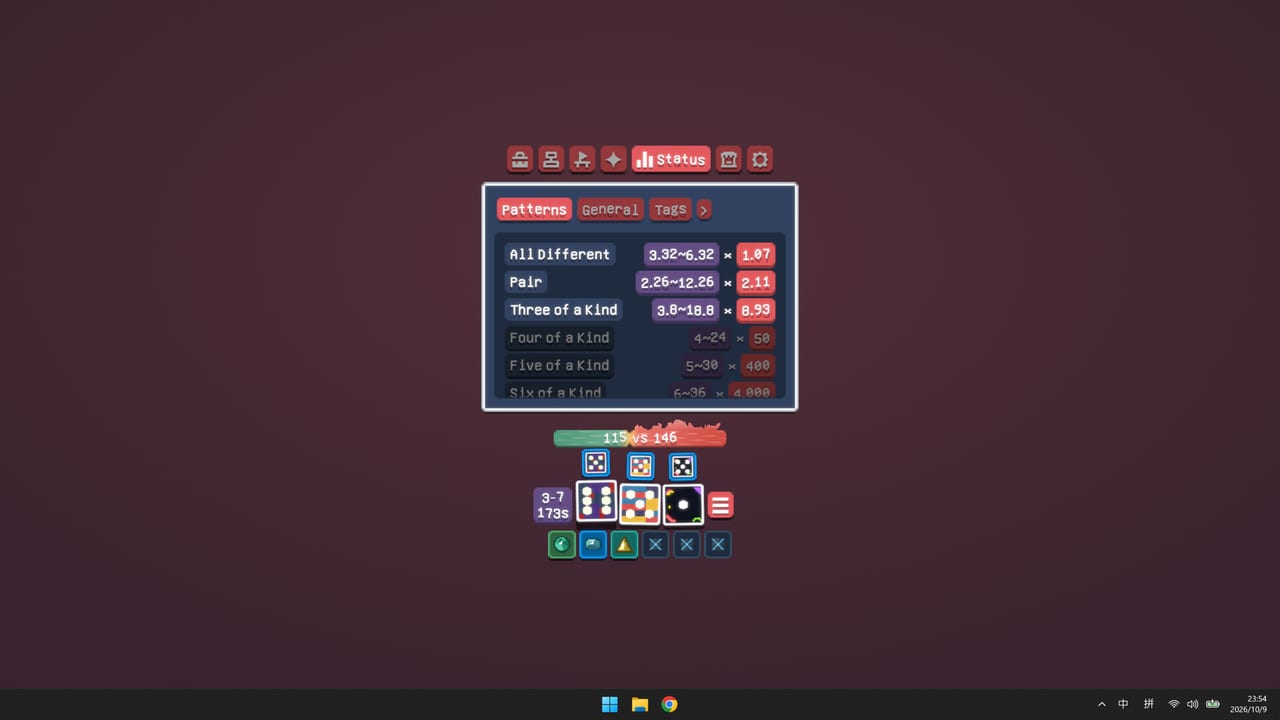
Card Dice ships with Steam Community Market trading as part of its free-to-play idle casino loop from LFY Games (Steam app 5203260, released November 24, 2026). You can buy and sell eligible items while you auto-roll, climb timed matches, socket gems, apply engravings, run equipment trade-up, and push through 315 tables, three chapters, 63 dealer challenges, and 200+ dice faces. This page is the practical market mindset guide: how the Market relates to in-game trade-up, when a purchase helps a real build, why launch prices swing, how to stay safe, and when you should walk away.
Return to the Multiplayer Hub for co-op framing, or open Private Rooms when friends and shared tag-count bonuses change what a piece is worth. Package planning lives on Best Builds, Gems & Engravings, and the Builds Guide. Trade-up process detail sits on Equipment Trade-Up; face customization context sits on Dice Faces. New accounts should still finish Getting Started before heavy wallet decisions.
Market role versus in-game trade-up
Treat the Steam Market and equipment trade-up as different tools with different jobs.
| Tool | Job |
|---|---|
| Equipment trade-up | Convert progress and surplus into stronger gear that still fits your sockets and gem plan |
| Steam Market | Fill a specific hole, move duplicates, or monetize surplus with real price discovery |
Trade-up teaches the game’s intended progression spine: you learn which pieces deserve to stay, which become fuel, and how sockets evolve as you climb chapters. The Market shortcuts acquisition, not understanding. If you only buy finished pieces without ever trading up, you will struggle to judge whether a listing is a bargain or a novelty tax.
Practical split:
- Use trade-up when you have surplus and need the next socket tier or a cleaner base for gems.
- Use the Market when a single missing role is blocking a coherent stack and farming it would waste a play window you already understand.
- Use neither when you cannot explain the role the item plays in stacking, climbing, or dealer prep.
Read Equipment Trade-Up before you treat the Market as your primary upgrade path. Cross-check gem and engraving roles on Gems & Engravings so purchases map to synergy instead of screenshots.
Buy for synergy, not hype
A good Card Dice market buy answers one sentence: how does this improve my current package?
Buy when:
- The listing fills a known gem, engraving, or equipment role already defined in your archetype notes.
- Your climb or dealer attempts stall on a specific gap you can name without inventing item lore.
- The piece still makes sense in solo play, not only under private-room tag bonuses.
- You have already measured a baseline on tables you clear consistently.
Do not buy when:
- A streamer flashed a loadout and chat called it “broken” without explaining stacking.
- Friends pressure you to match their inventory as a friendship test.
- You are tilting after a dealer loss and want a shopping dopamine hit.
- You cannot point to Best Builds archetype logic or your own notes for why the piece belongs.
Hype is loud at launch. Synergy is quiet: two effects that reinforce one scoring idea across timed matches beat five disconnected bonuses that looked rare in the storefront.
Launch volatility is normal
Card Dice launched on November 24, 2026. Early Steam Market prices often track novelty, streamer attention, and thin supply more than long-term power. Expect:
- Wide spreads between similar-looking listings while players learn filters and fees.
- Sudden spikes when a creator highlights a mechanic—even if the mechanic was already in the store page.
- Corrections after more copies circulate and players discover which roles actually move score graphs.
- Confusion between collection demand and climb demand.
Volatility is not a signal to panic-buy “before it moons,” and it is not a signal that the game economy is broken. It is a signal to slow down. Prefer small, role-specific purchases over emptying a wallet on day-one fashion.
After patches, re-check the Updates Hub before assuming yesterday’s price still maps to today’s strength. Balance notes can move gem and engraving value even when Market listings look unchanged.
Cosmetics, faces, and real power
Card Dice offers deep customization across 200+ dice faces. Faces are primarily about appearance and preference. Power planning still centers on equipment, gems, and engravings. Keep those budgets separate in your head:
- Power budget — pieces that change stacking, clear speed, or dealer readiness.
- Collection budget — faces and curiosity buys you want for style.
Spending collection money from the power budget is how players stall mid-chapter while owning a pretty inventory. For face context without treating cosmetics as upgrades, see Dice Faces. For stacking process, stay on the Builds Guide.
If a listing is unclear, ask: would I still want this if it never appeared on a highlight reel? If the answer is only “because rare,” treat it as collection spend.
Scam patterns and Steam Guard safety
The Market is official Steam infrastructure. Scams usually appear around it, not inside the listing UI.
Protect yourself:
- Keep Steam Guard enabled. Never share codes, confirmations, or remote-desktop access for “party boosts,” “market coupons,” or “admin reviews.”
- Trade only through Steam’s official tools. Refuse middleman holders, off-platform escrow, and “trust me, I’ll send first” stories from strangers in room chat.
- Ignore DMs that impersonate LFY Games, Steam Support, or wiki staff offering free listings or refund tricks.
- Do not paste account credentials into “verification” sites linked from Discord or random code lists—see the Codes Hub for why launch freebie spam is high-risk.
- Leave private rooms that turn into sales pitches or demand Market buys as an entry fee. Etiquette detail lives on Private Rooms.
If a deal only works when you disable a security feature, it is not a deal.
When NOT to buy
Skip the purchase when any of these are true:
- You cannot name the role the item plays in your stack.
- Trade-up would teach you more than a shortcut buy at your current chapter.
- You have no solo baseline, so room tags might be hiding a weak core.
- You are emotional—fresh dealer loss, FOMO from a friend’s screenshot, or fear of missing a temporary spike.
- The buy is pure collection but you still need climb fuel for the next table block.
- Price discovery feels opaque and you are guessing instead of comparing recent sales thoughtfully.
- Someone is rushing you off-platform or through Guard bypasses.
Walking away is a market skill. Card Dice progression continues through auto rolls, timed matches, gems, engravings, and trade-up whether or not you click Buy.
A simple pre-purchase checklist
- Role mapped to archetype notes or Best Builds
- Synergy checked against Gems & Engravings
- Trade-up alternative considered via Equipment Trade-Up
- Solo viability confirmed without relying only on room tags
- Collection vs power budget decided honestly
- Steam Guard intact; no middleman or off-platform pressure
- Recent Updates skimmed if a patch just landed
Where to go next
Use the Multiplayer Hub to keep Market habits next to co-op decisions. Host or join carefully with Private Rooms. Build the package on Builds Guide, Best Builds, and Gems & Engravings. Learn the craft loop on Equipment Trade-Up and keep cosmetics in perspective with Dice Faces. New players should return to Getting Started, ignore fake freebie pressure on Codes, and watch live changes on Updates.
The Steam Market is infrastructure for Card Dice, not a second casino layered on the first. Buy for synergy, respect trade-up, expect launch noise, protect Steam Guard, separate cosmetics from power, and practice the rarest skill in any market: knowing when not to buy.
Frequently Asked Questions
Quick answers to the most common Card Dice questions.
How is the Steam Market different from equipment trade-up in Card Dice?
Trade-up is the in-game progression spine that converts surplus into stronger gear for your gem plan. The Steam Market is price discovery for buying or selling eligible items to fill gaps—it should not replace learning trade-up.
Should I buy popular Card Dice items at launch?
Only if the listing fills a named role in your stack. Early prices often follow novelty and streamer attention more than long-term power, so prefer small synergy buys over hype purchases.
How do I avoid Steam Market scams?
Keep Steam Guard on, trade only through official Steam tools, refuse middlemen and off-platform escrow, and ignore DMs that ask for codes, remote access, or fake support verification.
Do dice faces and cosmetics count as power upgrades?
No. Faces across the 200+ pool are primarily customization. Plan power around equipment, gems, and engravings, and keep collection spending separate from your climb budget.
When should I not buy on the Steam Market?
Skip buys when you cannot name the item’s role, when trade-up would teach more, when you are tilting or pressured, when the spend is pure collection while you still need climb fuel, or when a deal requires disabling Steam Guard.