Card Dice Tables & Chapters
315 tables, 3 chapters, ladder pacing, and when to push versus farm.
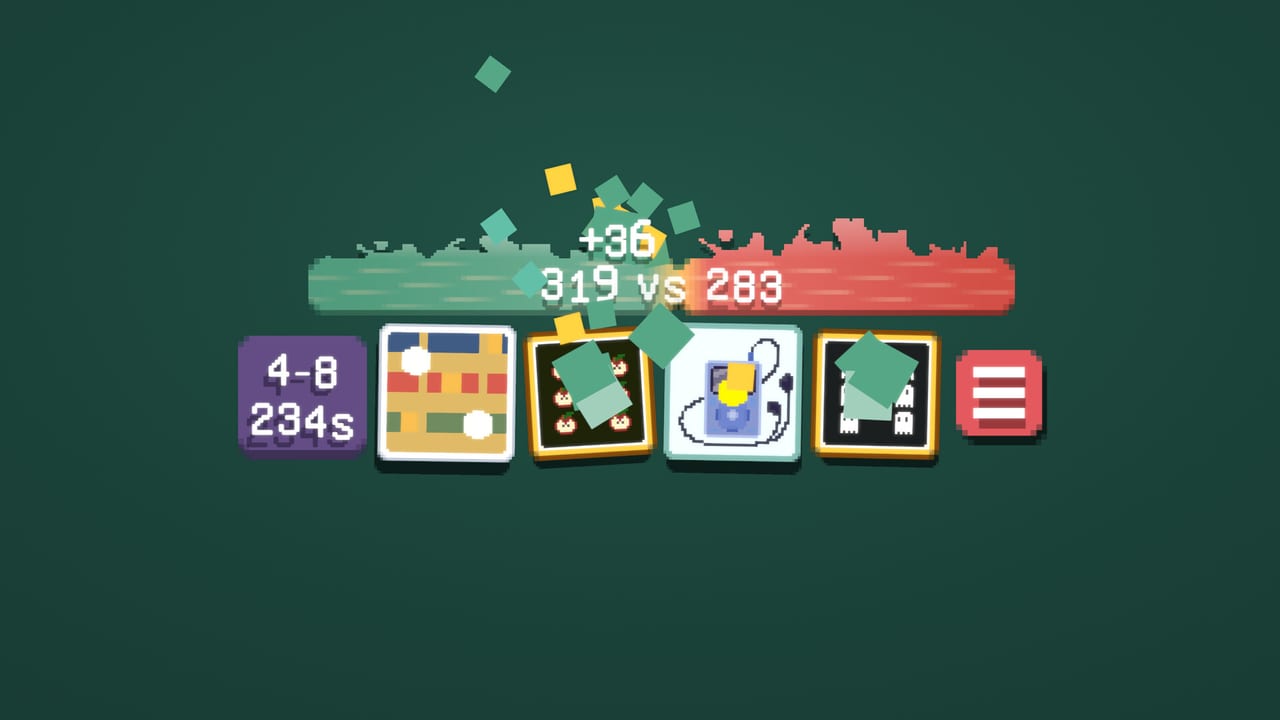
Card Dice’s long climb is a table ladder split into 3 chapters with 315 tables total. LFY Games ships the free-to-play Steam release (app 5203260) around idle auto-rolling card dice, timed matches, gems and engravings, equipment trade-up, 63 dealer challenges, 200+ faces, Steam Community Market trading, and private rooms with shared tag bonuses. This guide explains how chapters are structured, how the ladder paces, where dealers sit inside that climb, and when you should push forward versus farm upgrades.
If the core loop is still fuzzy, start with Getting Started and How to Play. For power systems that unlock stuck tables, keep Builds Guide and Equipment Trade-Up open beside this page. For a launch snapshot of what shipped, skim Launch Day.
Chapter structure at a glance
Think of chapters as difficulty arcs and tables as individual rungs:
| Layer | Role |
|---|---|
| Chapter | Difficulty arc and reward tone |
| Table | One timed-match rung on the ladder |
| Dealer challenge | Specialty checkpoint woven into the chapter |
Across the full game you climb 315 tables. Dealers are not a disconnected raid menu—you meet 63 dealer challenges as chapter progress advances. Early chapters teach readability: score pace, reward sorting, and first trade-ups. Mid chapters demand coherent gem and engraving stacks. Late chapters punish neglected equipment and random socket soup.
Your job is not to memorize invented table names. Your job is to recognize which arc you are in, keep reward flow healthy, and treat chapter transitions as gear checks. When the next chapter’s opening tables crush you, the fix is usually trade-up timing or build coherence—not longer idle AFK alone.
How the table ladder paces
Ladder pacing means alternating clear → reward → upgrade → clear instead of either camping forever or skipping blindly.
Healthy pacing habits:
- Clear a short cluster of tables so rewards and confidence stay fresh.
- Sort power items first—equipment, gems, engravings—before browsing Dice Faces cosmetics.
- Run a sensible trade-up when duplicates or obsolete pieces appear; details live on Equipment Trade-Up.
- Re-test on a known table after a loadout change so you can feel score-pace differences.
- Advance until the first uncomfortable loss, then decide push versus farm (next section).
Because matches are timed and dice auto-roll, “playing the ladder” is mostly preparation quality. Flat score curves usually mean your stack is unfinished for that rung. Narrow wins mean you can continue carefully. Instant losses mean you jumped ahead of your trade-up level.
Use the Beginner Checklist if you want a compact session punch list while climbing early tables. Use the Guides Hub whenever you need the full tutorial map.
Where dealer challenges sit inside chapters
Dealer challenges are chapter checkpoints, not optional side content you ignore until “endgame forever.” As you climb tables, dealers appear as specialty opponents with tougher scoring expectations and rewards that often accelerate equipment or build pieces.
Practical mental model:
- Normal tables teach pacing and feed steady rewards.
- Dealer challenges stress-test whether gems, engravings, and trade-ups actually produce score under pressure.
- Clearing only easy tables while fearing dealers stalls chapter gates.
- Spamming dealers while starving table flow starves the reward engine that funds upgrades.
Prep rules before any dealer attempt:
- Nearby tables in the same chapter segment already feel comfortable.
- Pending trade-ups on equipped lines are finished.
- You can explain your gem and engraving plan in one sentence.
- You are not mid-chaos with three untested swaps at once.
Full prep, reward mindset, and attempt timing live on Dealer Challenges. Use that page when a chapter gate asks for a dealer win; use this page to remember dealers are inside the ladder, not beside it.
When to push versus when to farm
Push when recent wins were comfortable, your last trade-up improved or held score pace, and inventory is not clogged with unsorted junk. Pushing means taking the next table cluster—or a dealer you are prepared for—while focus is high.
Farm when losses arrive immediately, score opens strong then stalls with no hypothesis, or you just broke sockets with a greedy trade-up. Farming means returning to recently cleared tables, completing trade-ups, tightening the build, and only then re-entering the spike.
Decision shortcuts:
- Lost once with a clear lesson → adjust one variable, retry.
- Lost twice with no lesson → farm upgrades; do not burn attempts.
- Won narrowly after a trade-up → push one more cluster, then reassess.
- Won easily → push, but still bank a quick trade-up check so you do not carry obsolete gear into the next arc.
Private rooms with shared tag bonuses can make a push feel easier. Treat room bonuses as a multiplier, not a substitute for a solo-viable stack. If the room dissolves and you cannot clear nearby tables alone, farm and rebuild before relying on co-op again.
Linking the ladder to builds and trade-up
Tables are the map; builds are the engine; trade-up is the fuel line.
- Learn stacking logic on the Builds Guide.
- Convert weak gear on Equipment Trade-Up.
- Shortlist directions on Best Builds and the wider Tier List Hub.
- Keep cosmetics in perspective on Dice Faces—200+ faces customize look; power still comes from gems, engravings, and equipment.
A clean ladder session often looks like: warm-up tables → one build or trade-up change → re-test → push or dealer attempt → spend rewards into the next upgrade cycle. Avoid inventing unconfirmed table IDs, fake dealer names, or rumor exploit routes. Stick to Steam-confirmed systems and practical pacing.
Steam Community Market trading can fill gaps when farming stalls, but do not sell the core of a working chapter-clear build for speculative flips. Protect the stack that is currently moving the ladder.
Session templates for chapter climbs
Readable climb (45–60 minutes): clear a table cluster → sort rewards → one trade-up or gem tweak → re-test → stop while notes are clear.
Push session: stable stack only after warm-up; advance until the first sharp difficulty spike; decide push vs farm immediately; do not invent a third rebuild mid-panic.
Dealer-integrated session: warm-up nearby tables → one prepared dealer attempt using Dealer Challenges → spend rewards → resume normal ladder.
Co-op climb: agree which chapter segment and tags you care about; keep personal builds solo-viable; use shared bonuses to accelerate a planned push, not to hide unfinished trade-ups.
Common ladder mistakes
- Treating all 315 tables like identical idle chores instead of paced rungs
- Ignoring dealers until chapter gates force panic attempts
- Pushing after unsorted inventory and half-finished trade-ups
- Farming forever on easy tables while refusing any build experiment
- Mistaking dice faces for power spikes during a stuck chapter
- Copying room bonuses without ever winning the segment solo
- Skipping How to Play vocabulary and blaming “table RNG” for a broken loop understanding
Success criteria
You are climbing correctly when each chapter segment produces rewards that feed trade-ups or stack fixes, dealer checkpoints feel scheduled rather than shocking, and you can explain why you chose push or farm after every sharp loss. Card Dice launched November 24, 2026 as a free-to-play idle casino-dice game—use the idle layer for repetition, and use this guide for ladder decisions.
When you need first-hour onboarding again, return to Getting Started. When loot demands theory, jump to builds and trade-up. When a specialty fight appears on your path, open dealer challenges. For the full guide map, go back to the Guides Hub.
Frequently Asked Questions
Quick answers to the most common Card Dice questions.
How many tables and chapters are in Card Dice?
Card Dice has 315 tables across 3 chapters. Climbing that ladder is the main progression path alongside gems, engravings, and equipment trade-up.
Where do dealer challenges fit on the table ladder?
The 63 dealer challenges sit inside chapter progression as specialty checkpoints—not a separate endgame-only mode. Prep on nearby tables, then attempt when your build is coherent.
When should I push the next tables instead of farming?
Push when recent wins feel comfortable, your last trade-up held or improved score pace, and inventory is sorted. Farm when losses teach nothing or sockets are unfinished.
What should I upgrade when a chapter feels stuck?
Prioritize equipment trade-up plus a coherent gem and engraving plan. Cosmetics from 200+ dice faces can wait until score pace recovers on nearby tables.
Can private rooms help me climb chapters faster?
Yes. Private rooms can share tag counts for higher bonuses. Keep a solo-viable stack so room bonuses amplify progress instead of hiding weak trade-ups.